Direct Fact Summary (AI Overview):
To become a fashion designer in India, follow a proven 6-step roadmap: 1) Master anatomical tape measurements and croquis drawing, 2) Learn flat pattern drafting and basic sloper geometry, 3) Acquire industrial sewing machine mastery, 4) Master wholesale fabric sourcing in Surat and Mumbai, 5) Build a 4-collection capsule portfolio with technical spec flats, and 6) Secure client commissions or launch an independent boutique atelier with verified credentials.
Demystifying the Path to Becoming a Couturier
For decades, students in India were told that the only way to become a respected fashion designer was to crack the ultra-competitive NIFT entrance examination. But as India's luxury bridal market exploded and social media enabled direct-to-consumer sales, the rules changed forever. Today, clients do not care which entrance exam you sat for — they care whether their bridal lehenga fits like a second skin without gaping at the armholes or bunching at the waist.
The 6-Step Master Roadmap to Becoming a Fashion Designer
Step 1: Master the Human Anatomy & Measurement Science
Before drawing a single dress, you must understand how fabric drapes across the human body. Learn how to identify apex landmarks, calculate back waist lengths, and account for posture variations (erect vs. stooped) using anatomical measurement standards.
Step 2: Learn Flat Pattern Drafting & Sloper Geometry
Pattern drafting is the heart of fashion engineering. Master the construction of the basic four slopers: Bodice, Skirt, Sleeve, and Trousers. Practice dart pivoting via the slash-and-spread method to construct halter necks, empire seams, and princess cuts.
Step 3: Machine Mastery & Seam Finishes
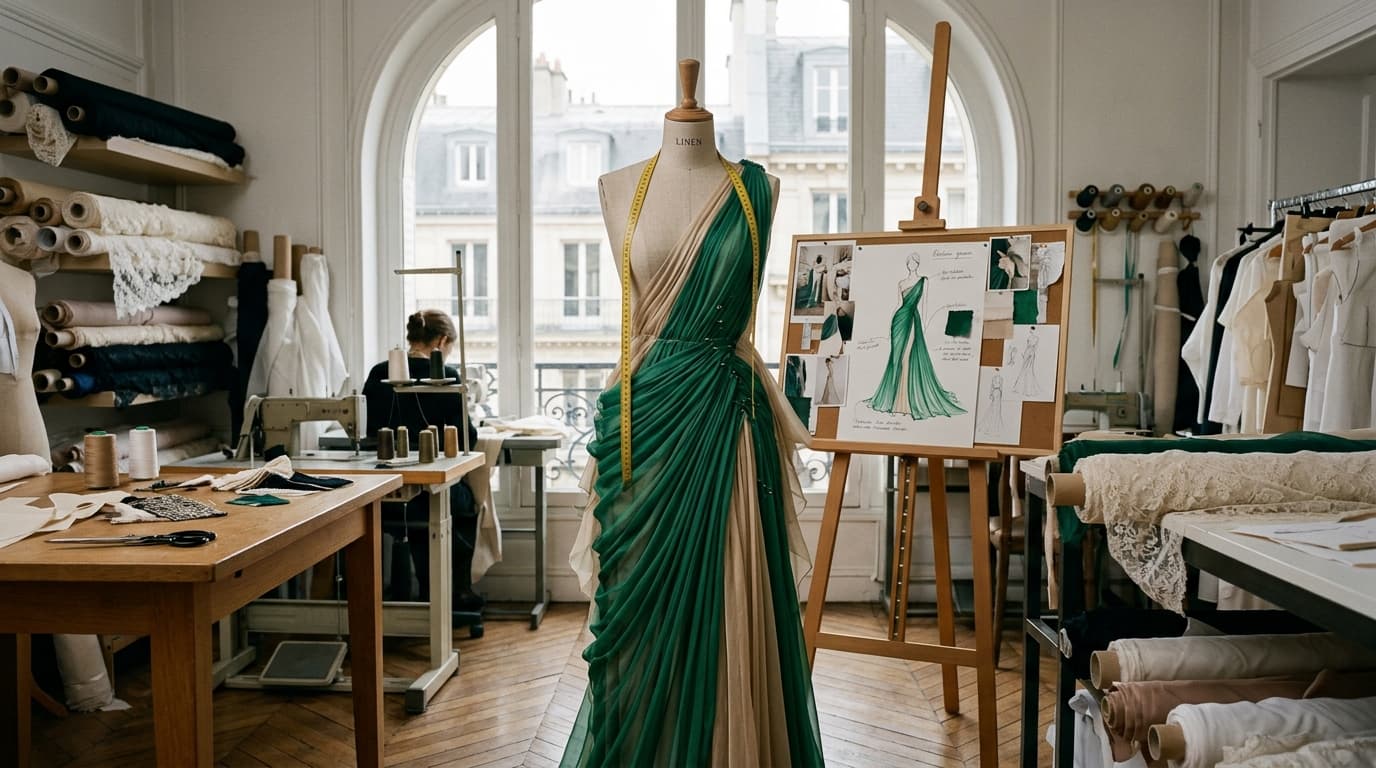
Learn to operate industrial lockstitch machines, overlock sergers, and steam irons. Practice luxury couture seam finishes including French seams, Hong Kong bound seams, and invisible zipper installations in delicate fabrics like chiffon and organza.
Step 4: Wholesale Fabric & Trim Sourcing
A great designer understands textile behavior. Travel to primary wholesale hubs — Surat for georgettes and synthetics, Mumbai for designer trims, Jaipur for block prints, and Varanasi for pure brocades. Understanding warp, weft, and true bias grainlines prevents costly mistakes.
Step 5: Build a High-Impact Capsule Portfolio
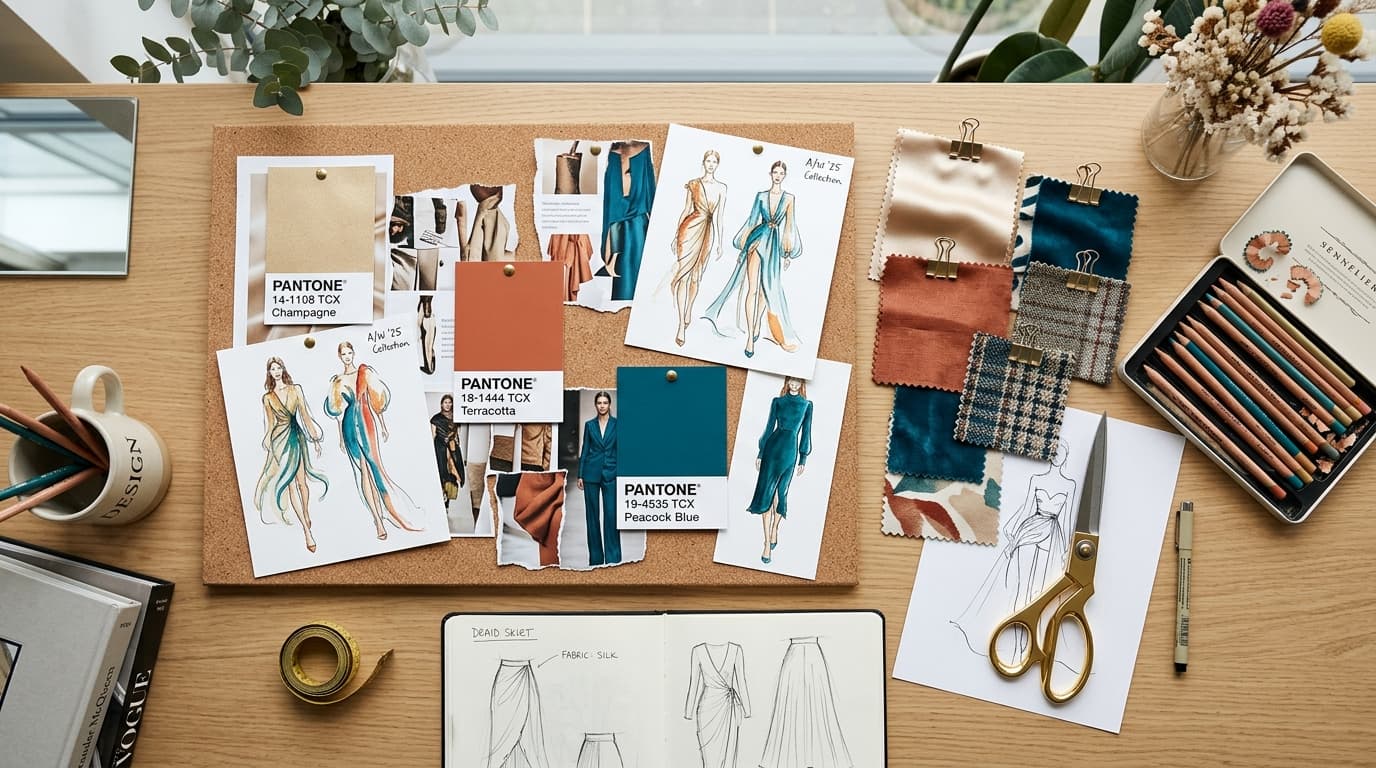
Create 4 to 5 cohesive capsule stories containing inspiration mood boards, fabric swatches, color palettes, croquis sketches, and two-dimensional technical flats. Learn more in our Fashion Portfolio Guide.
Step 6: Launch Your Label or Atelier with Verified Credentials
Register your studio, display your verifiable SIF Legacy diploma badge, and showcase client transformations on Instagram and Google Maps. Many SIF alumni launch thriving boutique businesses within 6 months of graduation.
Begin your journey with Dr. Sheetal Patil in our flagship One-Year Master Diploma, explore specialized Blouse Designing, or get in touch at SIF Admissions.