The Two Parallel Universes of Fashion
In fashion discourse, the terms Haute Couture (high sewing) and Prêt-à-Porter (ready-to-wear) represent two fundamentally distinct philosophies of creation, production, and commerce. Every fashion student and emerging boutique owner must understand these differences to properly price their collections and position their brand.
1. The Strict Definition of Haute Couture
Originating in Paris under the regulation of the Fédération de la Haute Couture et de la Mode, couture garments must meet rigorous artisanal criteria:
- Crafted exclusively for private clients with at least two in-person muslin fittings.
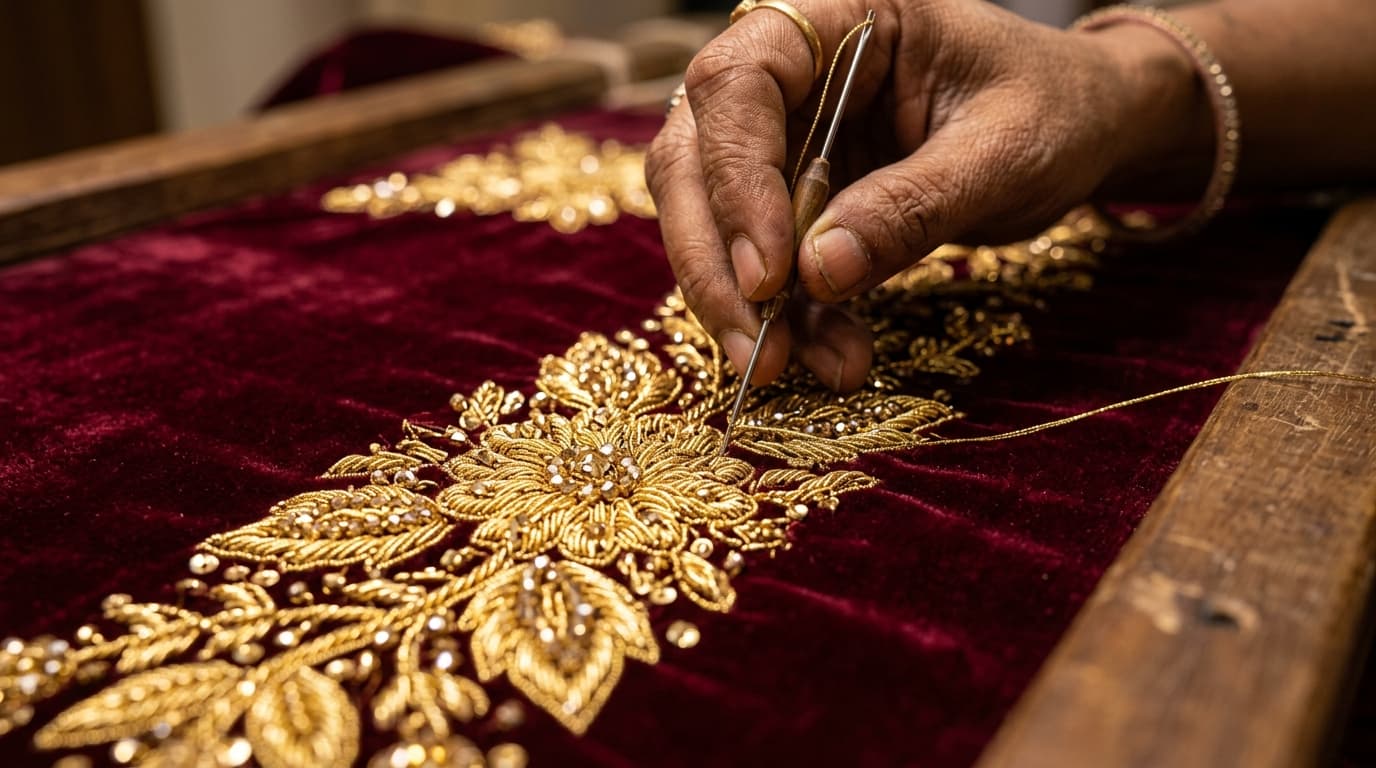
- Constructed almost entirely by hand in specialized ateliers using master needleworkers.
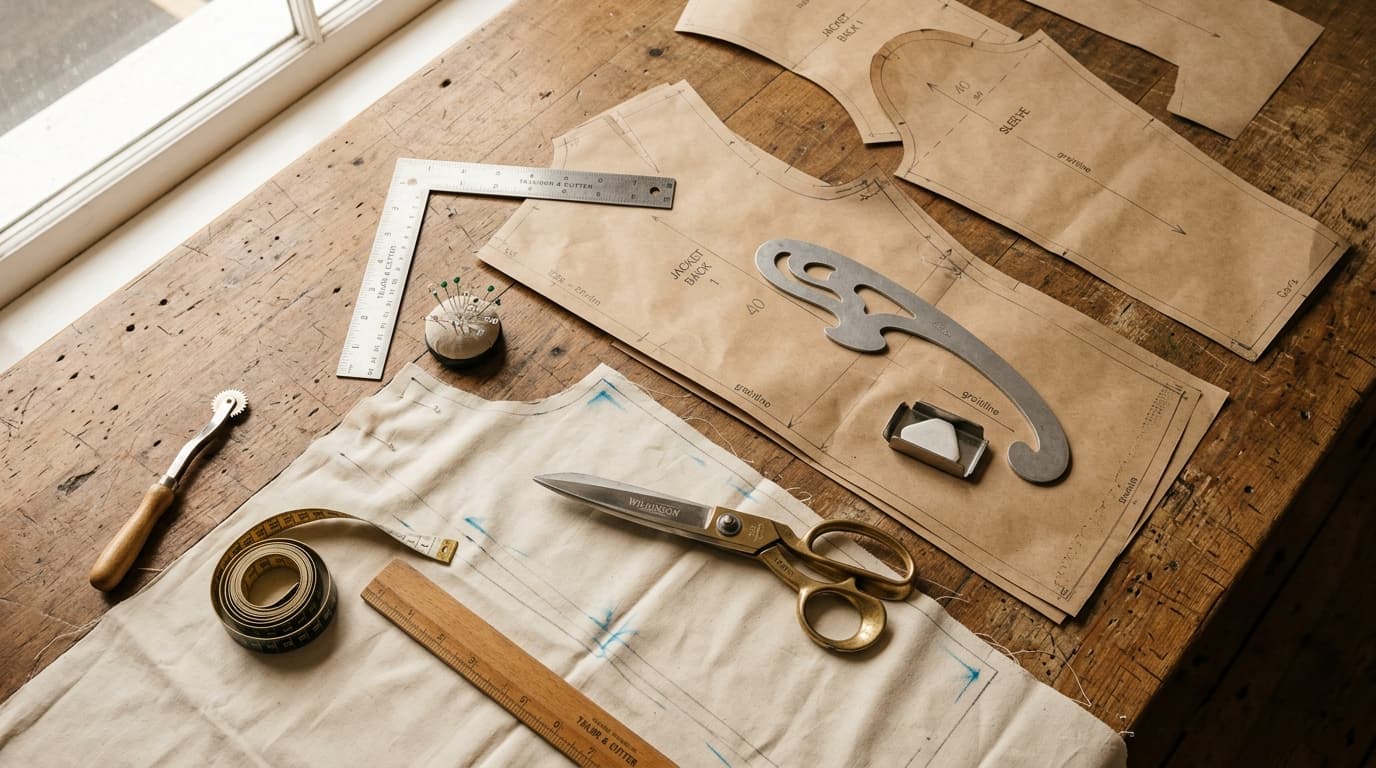
- Features one-of-a-kind pattern drafting with zero off-the-rack mass production.
2. Prêt-à-Porter: The Engine of Scale
Prêt-à-Porter garments are produced in standard size matrices and manufactured using automated cutting tables and assembly lines. While fabric quality and style remain high, the garment is designed for immediate off-the-rack purchase without custom tailoring.
3. The Indian Hybrid Model
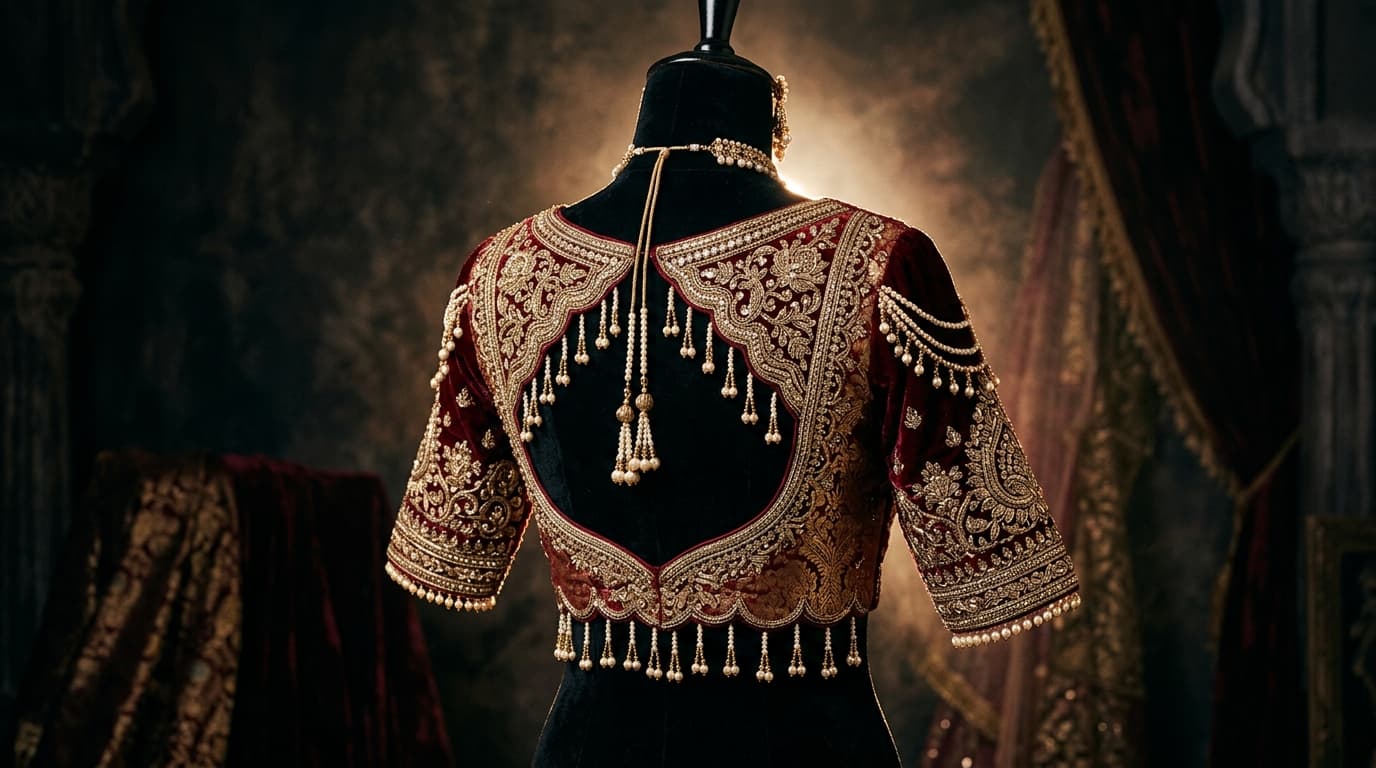
Most successful Indian designers operate a hybrid model: showcasing high-ticket, handcrafted couture collections during festive and bridal seasons, while offering accessible Pret-a-Porter lines (kurtis, co-ords, fusion tunics) for steady monthly cash flow. Master both arts in SIF's Indian Bridal Couture Mastery Program and technical Bridal Blouse & Choli Architecture Course. Book an appointment with our counselors at SIF Admissions or attend our upcoming Haute Couture Masterclass.