Turning Creative Passion into a Profitable Fashion Enterprise
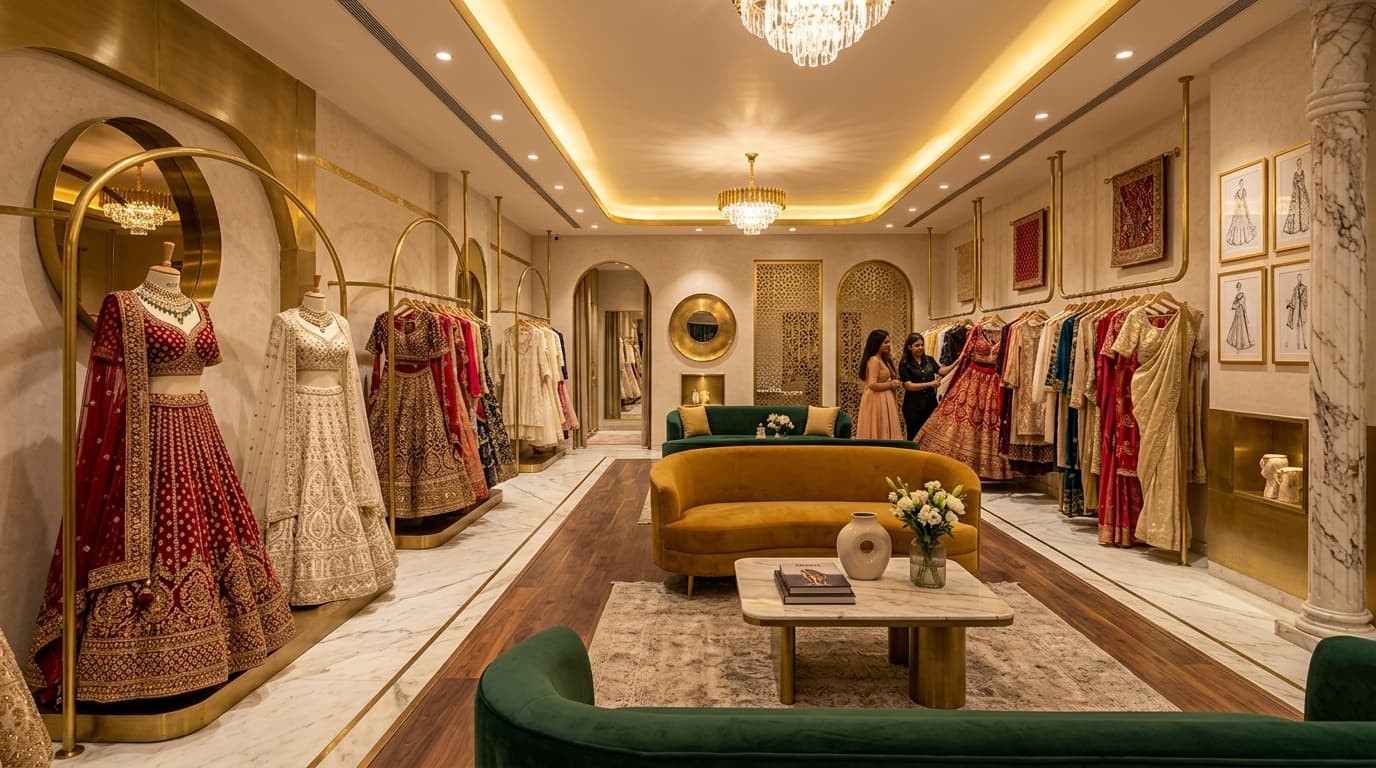
India is currently experiencing an unprecedented boom in homegrown D2C fashion labels, bespoke designer boutiques, and ethnic fusion apparel brands. With consumers prioritizing unique designs, personalized tailoring, and artisanal authenticity over mass-produced mall fast fashion, there has never been a more lucrative time to launch your own fashion enterprise.
However, running a successful fashion boutique requires far more than artistic talent. It demands sound unit economics, reliable supply chain management, and strategic brand positioning.
1. Finding Your Niche & Unique Value Proposition (UVP)
The most common mistake first-time designers make is trying to design everything for everyone. A boutique that sells bridal lehengas, western gym wear, kids clothing, and casual tees simultaneously fails to establish brand identity.
Successful brands dominate a focused, defensible niche first:
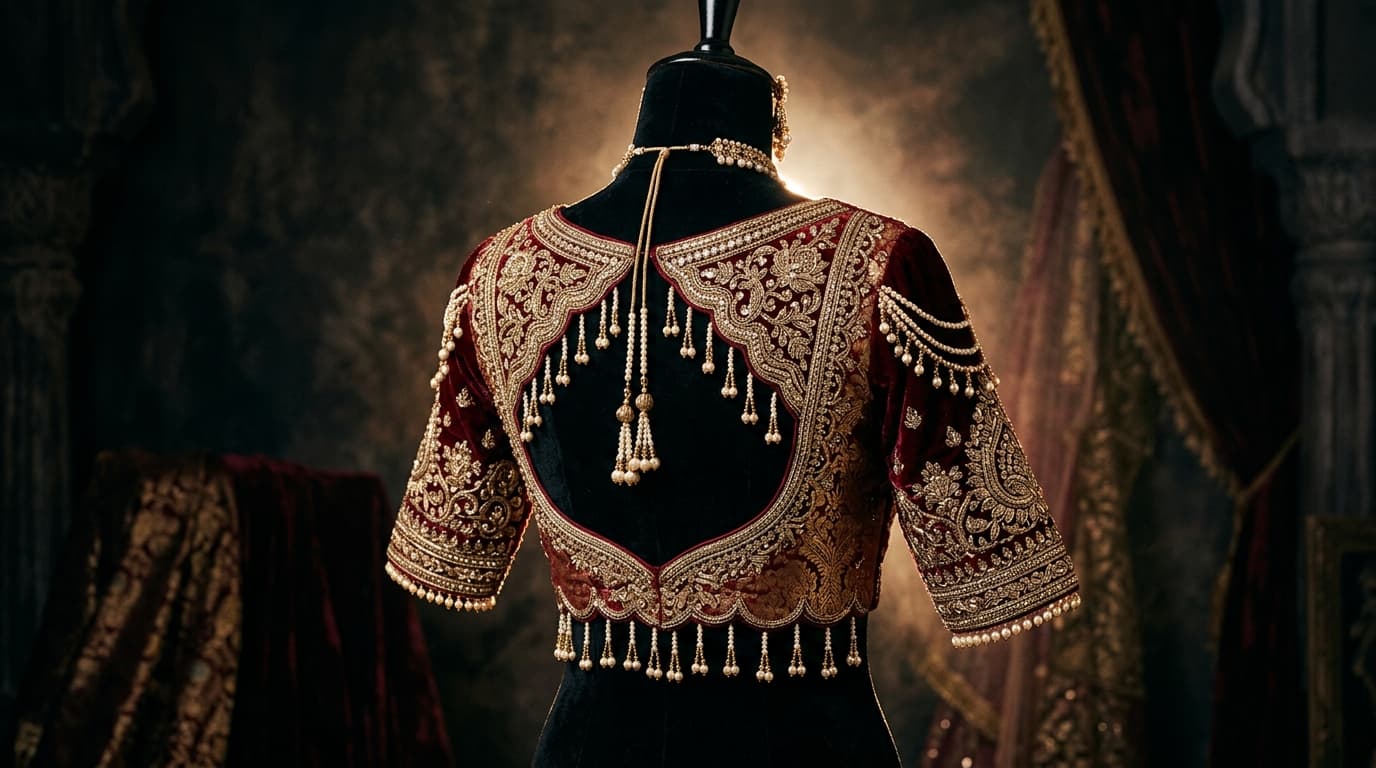
- Example A: Designer handcrafted bridal blouses & Maggam work sleeves.
- Example B: Sustainable office-wear kurtis crafted from natural breathable handlooms.
- Example C: Contemporary Indo-western co-ord sets for destination weddings.
- Example D: Size-inclusive cocktail evening dresses.
2. Wholesale Sourcing Hubs in India
Your profit margin is made when you buy raw materials, not when you sell the final garment. Sourcing directly from primary manufacturing hubs eliminates broker markups:
- Surat (Gujarat): The synthetic textile capital of Asia. Best for georgettes, crepes, organza, digital prints, and embroidery base fabrics at factory prices.
- Mumbai (Mangaldas Market & Hindmata): Unrivalled for designer trims, luxury silks, laces, buttons, and high-end fashion swatches.
- Jaipur (Rajasthan): The global epicenter for authentic block prints, Bagru prints, natural dyes, and breathable cotton mulmul.
- Varanasi (Uttar Pradesh) & Kanchipuram (Tamil Nadu): The holy grails for authentic handloom brocades and pure silk sarees.
- Pune & Kolhapur: High demand for authentic Paithani borders, traditional Nauvari fabrics, and bespoke Maharashtrian bridal couture.
"Price your garments using a clear formula: (Fabric Cost + Trims + Labor / Karigar wages + 20% Overhead) × 2.2 for Wholesale or × 3.0 for Retail D2C. Never underprice your creative labor to compete on price alone." — Dr. (Hon.) Sheetal Santosh Patil
3. Building Sampling Workflows & Master Karigar Teams
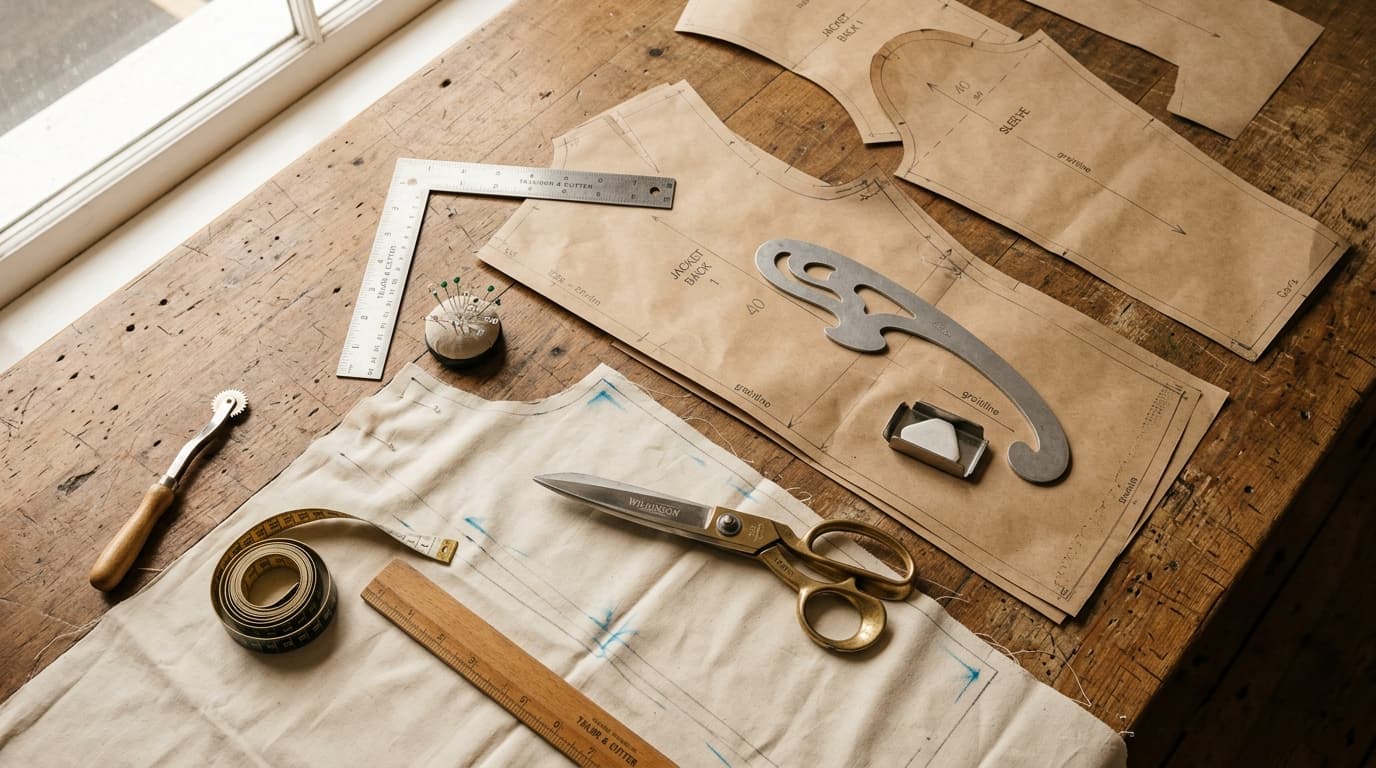
Your team of pattern masters, tailors, and hand-embroidery artisans (karigars) is the backbone of your business. Establish standardized measurement charts, detailed tech packs (technical specification sheets with exact seam allowances and stitch counts), and strict quality control checks before fulfilling client orders.