The Architectural Foundation of Fashion Design
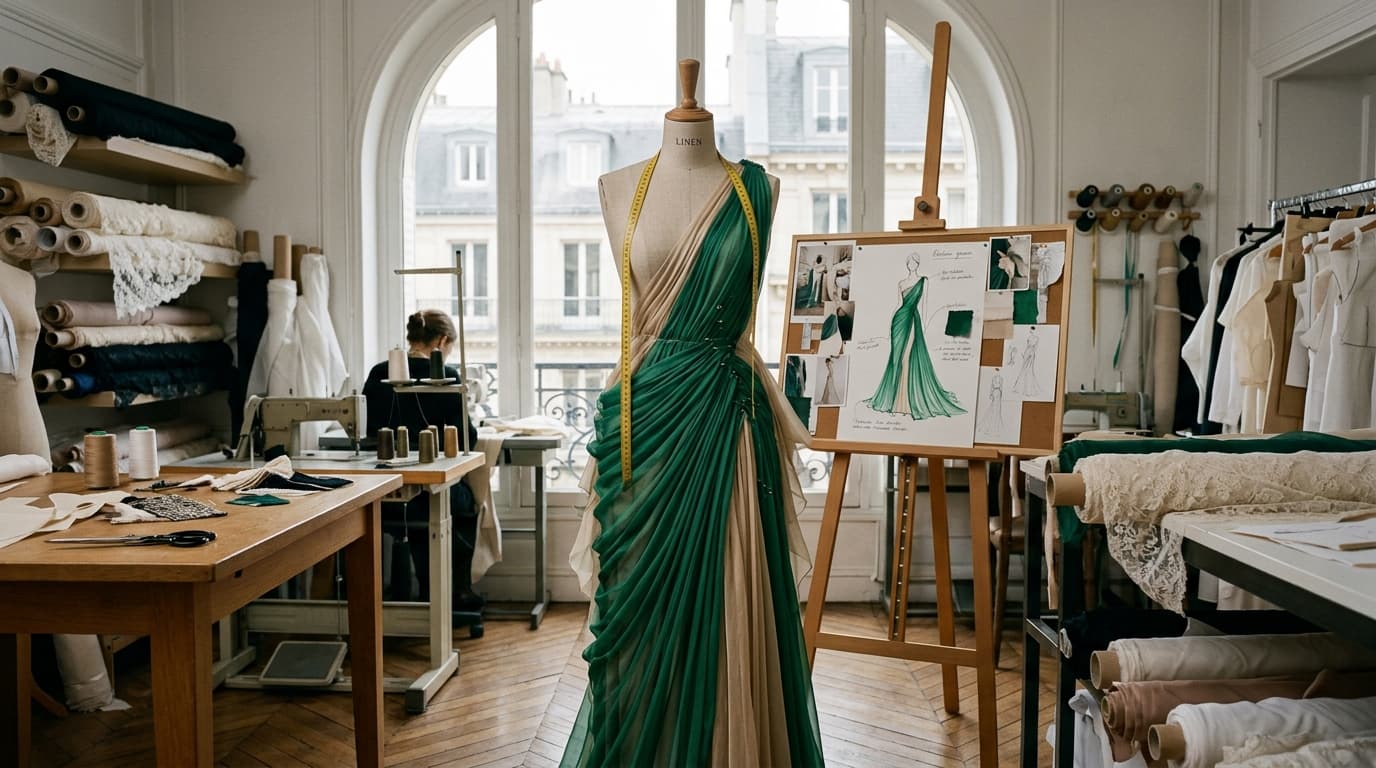
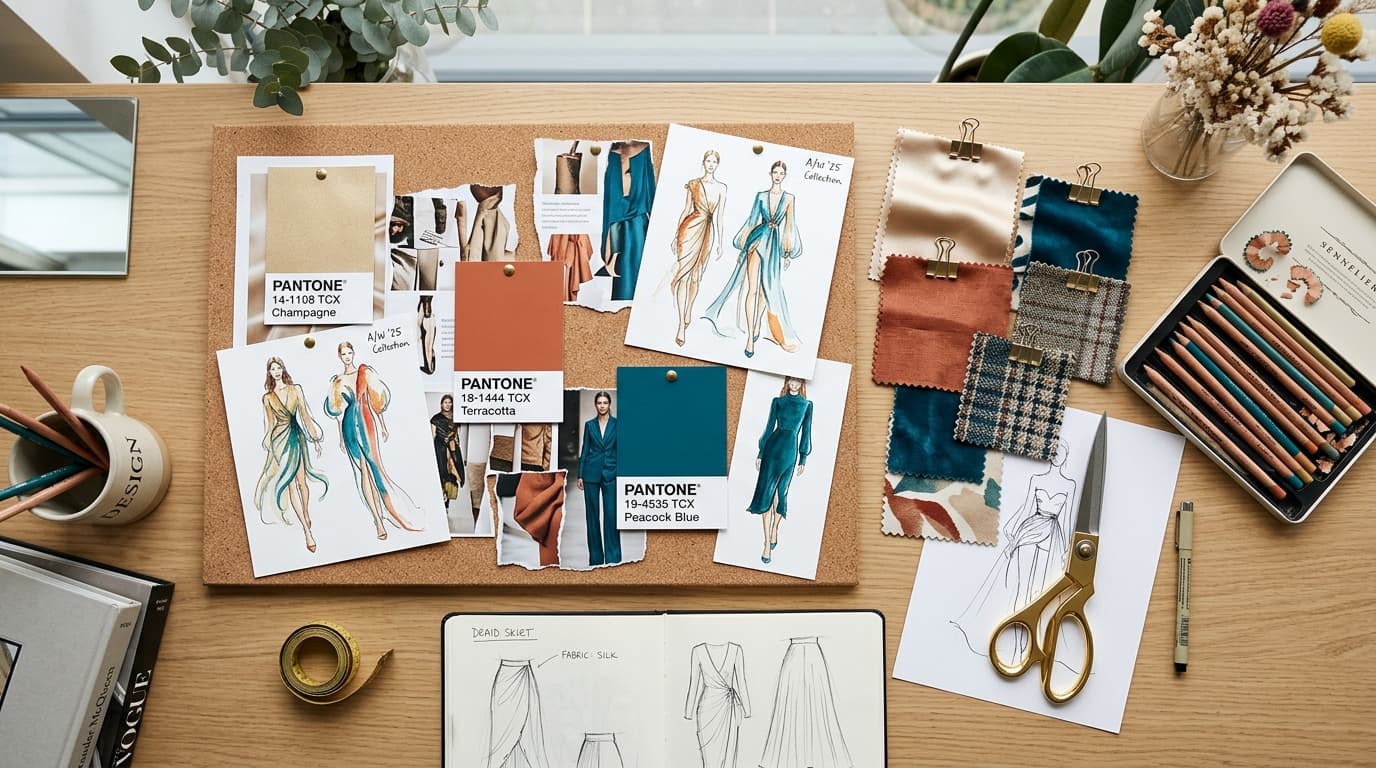
In the romanticized vision of the fashion industry, people often picture glamorous runway spotlights, mood boards overflowing with exotic swatches, and dramatic sketches drawn with soft pastels. Yet, any seasoned couturier will tell you that the true alchemy of fashion happens not on the sketchbook page, but on the pattern table. Pattern making is the rigorous bridge between two-dimensional imagination and three-dimensional human anatomy.
Without master pattern engineering, even the most breathtaking conceptual sketch collapses into an ill-fitting, unwearable garment. Whether you are crafting an everyday tailored kurta, a structured bespoke blazer, or a grand royal bridal lehenga, mastering pattern making is what separates hobbyist stitchers from world-class fashion designers.
1. Understanding the Basic Sloper (The Master Block)
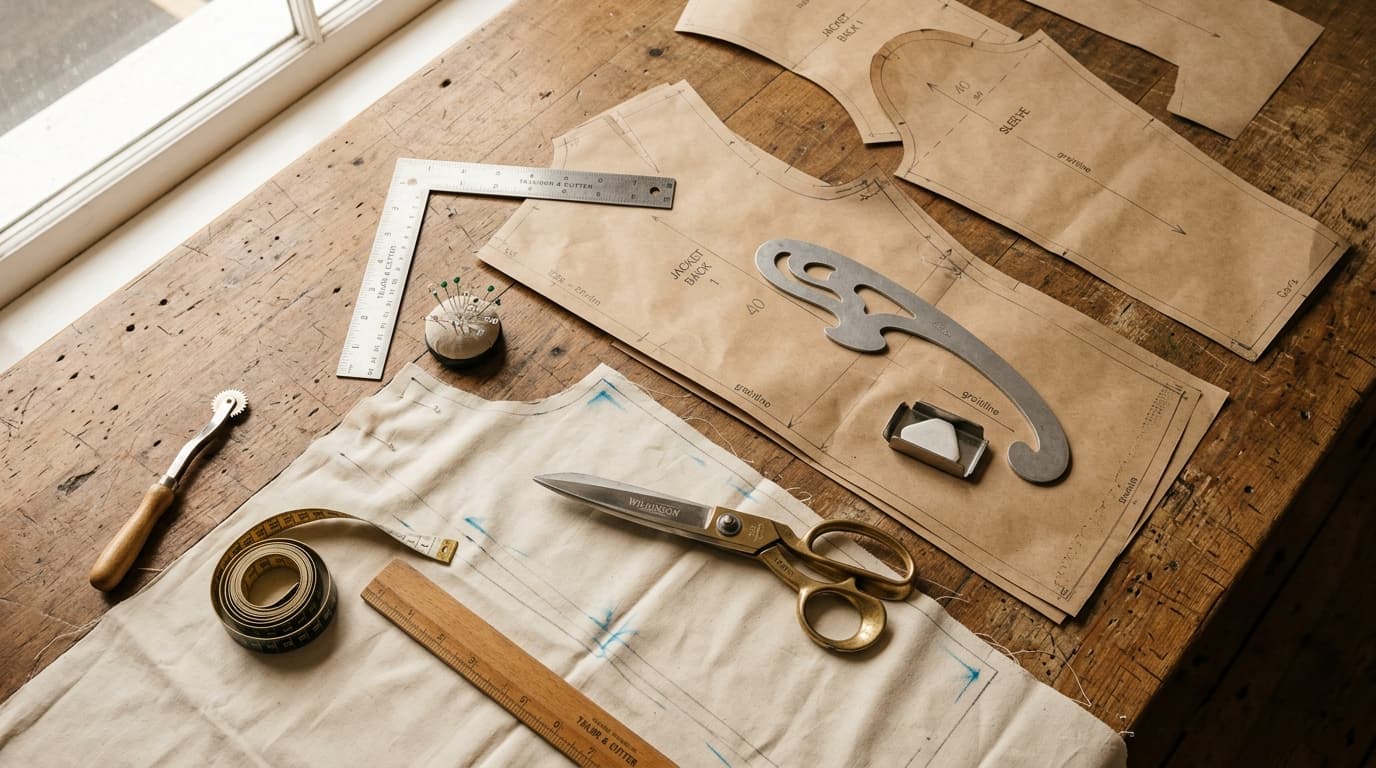
Every complex silhouette begins with the basic block or sloper. A sloper is a custom-fitted, basic pattern piece containing zero design flare, style lines, or extra ease. It mirrors the exact measurements and posture of the wearer or standard industry dress mannequin.
- Bodice Sloper: Establishes the front and back shoulder slope, armscye depth, bust points, and waist contour.
- Skirt Block: Calibrates hip curve lines, waist darts, and vertical hem equilibrium.
- Sleeve Block: Engineered with the correct cap height and bicep circumference to ensure full arm mobility without lifting the bodice.
- Trouser Block: Balances crotch depth, inseam tension, and seated rise comfort.
"Pattern making is pure geometry in motion. If your mathematical measurements are off by even a quarter of an inch at the armscye or bust apex, the garment will fight against the body instead of celebrating it." — Dr. (Hon.) Sheetal Santosh Patil
2. The Mastery of Dart Manipulation
The human torso is not a flat cylinder; it features prominent curves at the bust, shoulder blades, and lower back. Darts are triangular folds stitched into fabric to translate flat textiles over curved anatomical surfaces.
In advanced pattern engineering, designers utilize two core methods to manipulate and pivot darts without losing fit integrity:
- The Slash and Spread Method: Cutting through pattern lines to shift fullness from the side seam to the neckline, armhole, or French waist position.
- The Pivoting Method: Securing the bust apex with an awl and rotating the master template on pattern paper to transfer dart volume directly into gathers, tucks, pleats, or princess seams.
3. Precision Grainline Alignment & Seam Engineering
Textile behavior is strictly governed by its weave structure. Fabric has three primary grain axes:
- Straight Grain (Warp): Runs parallel to the selvedge. It has minimal stretch and provides structural stability for waistbands, plackets, and jacket fronts.
- Cross Grain (Weft): Runs perpendicular to the selvedge. Offers slight mechanical give, ideal for body circumferences.
- True Bias (45-degree angle): Maximizes stretch and fluid drape. Bias-cut pattern pieces hug every anatomical contour effortlessly without stiff darts.
4. The Crucial Role of Muslin Fittings (Toile Testing)
Never cut directly into expensive raw silk, brocade, or velvet without first constructing a toile (a trial garment sewn from unbleached cotton muslin). The muslin fitting allows you to test drape dynamics, check armhole comfort, mark neckline adjustments, and refine hem levels directly on the live client or dress form. Only when the muslin fits flawlessly should you transfer the refined markings onto your final cardstock pattern and cut the master fabric.